Cosmetic and Personal Care Market Research: From Consumer Understanding to Brand Development
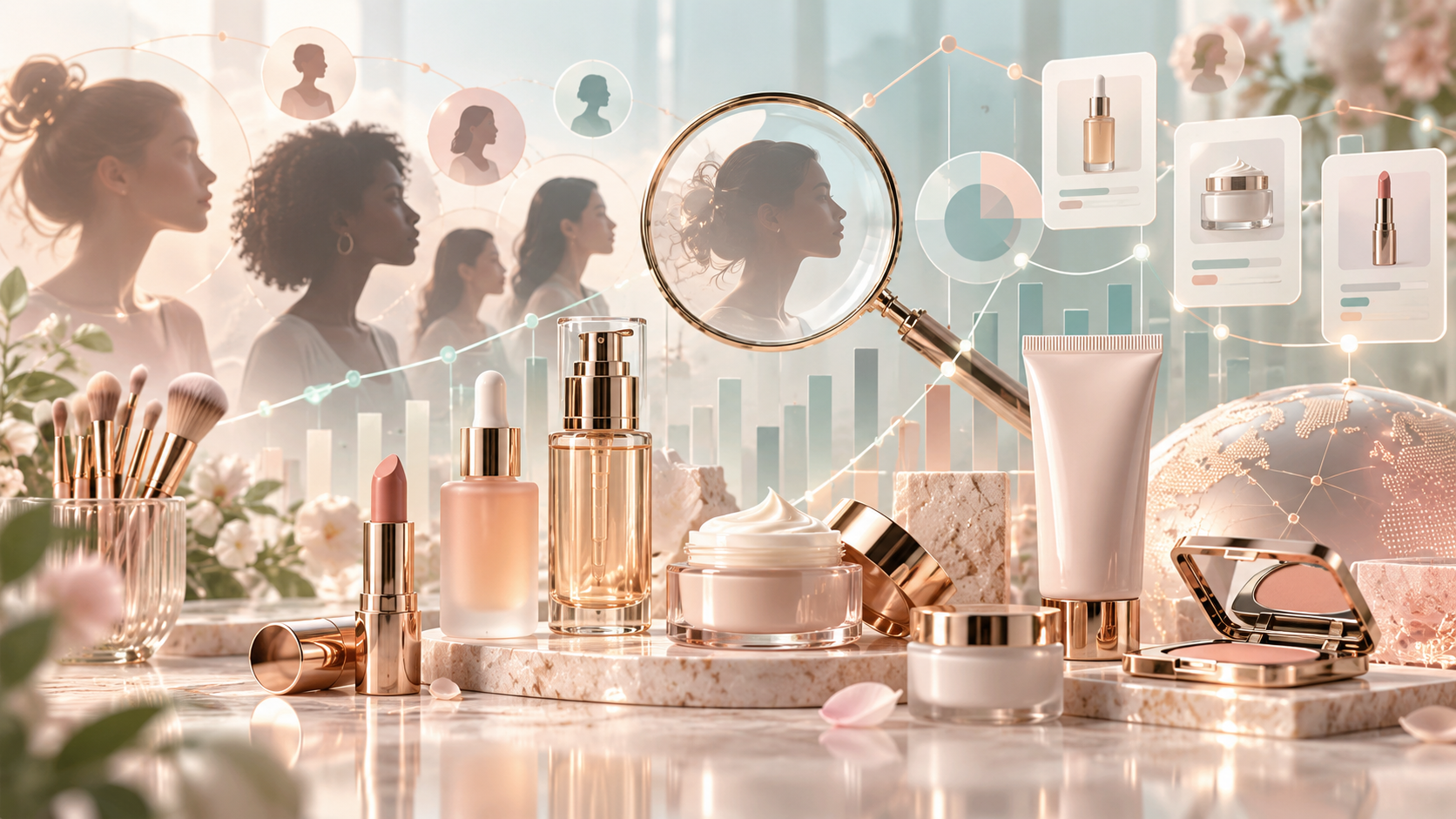
The market for cosmetic and personal care products is influenced by changing consumer behavior, emerging trends, brand competition, and evolving customer needs. In such a market, relying only on assumptions or past experience may not provide an accurate understanding of available opportunities. Cosmetic market research helps businesses better understand consumer behavior, market needs, competitors, and the trends that influence purchasing decisions. This article explores how market research can be used to gain deeper consumer insights and support the development of cosmetic and personal care brands.
1. What Is Cosmetic Market Research and Why Does It Matter?
Cosmetic market research is the process of collecting and analyzing information about consumers, competitors, products, and market conditions. Its purpose is not simply to estimate the number of potential customers. It should also help businesses understand what consumers need, how they make purchasing decisions, and which factors influence their choice of a brand or product.
In the market for cosmetic and personal care products, understanding these factors can influence important business decisions, including:
- Identifying unmet consumer needs
- Defining target markets and customer segments
- Evaluating new product ideas
- Assessing brand positioning compared with competitors
- Identifying relevant product features and differentiators
Market Research as the Starting Point for Decision-Making
The value of market research increases when its findings are translated into specific business decisions. For example, if a brand discovers that a particular group of consumers considers a specific product feature important, this insight can influence product development, brand messaging, or marketing strategy.
Therefore, market research should not be viewed simply as a stage for collecting information. Cosmetic market research becomes valuable when it creates a connection between market data and business decisions.
2. Understanding the Consumer: What Do Cosmetic and Personal Care Customers Want?
Understanding customers in cosmetic market research goes beyond demographic information such as age or gender. To develop a successful product or brand, businesses need to understand what consumers need, which problems they want to solve, and which factors influence their purchasing decisions.
Identify the Customer’s Real Needs
Consumers may choose a product based on factors such as its ingredients, price, effectiveness, ease of use, or brand reputation. The importance of these factors can vary significantly between different consumer groups.
For example, one group may place greater importance on product ingredients and evidence of effectiveness, while another may prioritize price, user experience, or brand image. Market research helps businesses identify these differences through real consumer data and feedback rather than assumptions.
Segmentation: Not All Customers Are the Same
One of the important outcomes of market research is customer segmentation. In this process, the market is divided into groups with similar needs or behaviors, allowing brands to develop more relevant products and communication strategies for each target group.
Segmentation can be based on factors such as:
- Consumer needs and problems
- Purchasing behavior
- Product usage patterns
- Price sensitivity
- Product preferences
- Purchasing and information channels
As a result, instead of using the same message for the entire cosmetic and personal care market, a brand can tailor its communication and value proposition to the characteristics of each target segment.
3. Analyzing Purchasing Behavior: What Influences Consumer Decisions?
Understanding customer needs is only one part of cosmetic market research. A brand must also understand how consumers move from becoming aware of a product to making a purchase. Examining this journey helps businesses identify the factors that influence purchasing decisions.
From Awareness to Purchase: The Consumer Decision Journey
Before purchasing a product, consumers may obtain information from social media, brand websites, user reviews, experts, or retailers. They may then compare factors such as price, ingredients, product claims, brand reputation, and other consumers’ experiences.
Therefore, market research for cosmetic and personal care products should go beyond asking whether customers are interested in a particular product. Brands should understand what information consumers need at each stage of the purchasing journey and which factors may influence their final decision.
What Factors Influence Product Choice?
The factors that influence purchasing behavior are not the same in every market. However, market research can examine areas such as:
- Price and perceived value
- Product ingredients and features
- Brand trust
- Previous consumer experiences
- Reviews and recommendations
- Product availability and purchasing convenience
- Packaging and product presentation
The importance of each factor should be determined based on data from the target audience. For example, if a brand assumes that price is the most important purchasing factor, but market research shows that its target consumers place greater importance on effectiveness and brand credibility, marketing decisions should be reconsidered based on actual market findings.
Purchasing Behavior as a Guide for Marketing Decisions
Analyzing consumer behavior is not limited to understanding customers. These insights can also support product development, pricing, advertising messages, communication channels, and brand positioning.
Therefore, the purpose of purchasing behavior analysis is not simply to determine what consumers buy. It is to understand why they choose a particular product and what could influence or change that decision.
4. Competitor Analysis: Where Does Your Brand Stand in the Market?
Understanding consumers without understanding competitors does not provide a complete picture of the market. In cosmetic market research, competitor analysis helps brands identify which products are available, how competitors communicate with customers, and where opportunities for differentiation may exist.
Do Not Compare Competitors’ Products Only
Competitive analysis should go beyond comparing prices or product appearance. A brand should examine several factors together, including:
- Product portfolios and product features
- Pricing and price positioning
- Target audiences and market segments
- Brand identity and messaging
- Sales and customer communication channels
- Product promotion and communication
- Strengths and weaknesses of the customer experience
This analysis helps a brand understand the value that competitors provide and identify customer needs that may not yet be fully addressed.
Identify Opportunities for Differentiation
The purpose of competitor analysis is not to copy existing brands. Effective cosmetic market research should help identify opportunities through which a brand can establish a distinctive position in the market.
For example, competitors may focus heavily on low prices, while a segment of consumers may place greater importance on quality, ingredients, user experience, or scientific credibility. In such a situation, understanding consumer needs can help a brand develop a different positioning strategy.
Brand Positioning Should Match Market Needs
Positioning becomes meaningful when the image a brand communicates is connected to how its target audience perceives its needs. Therefore, competitor insights should be evaluated alongside consumer research.
Ultimately, the goal is not simply for a brand to appear different. The key question is what value that difference creates for consumers and why they should consider the brand among the available alternatives.
5. Market Trend Analysis: Identify Changes Before They Become Major Shifts
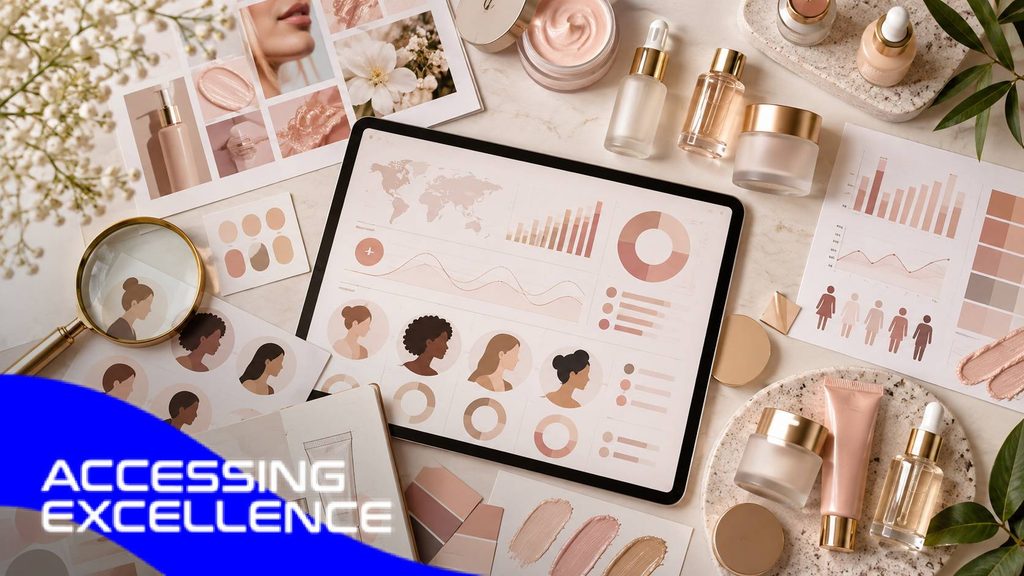
The market for cosmetic and personal care products is constantly changing. Shifts in consumer preferences, the emergence of new products, changes in sales channels, and new ways of communicating with customers can create both opportunities and challenges. For this reason, analyzing market trends is an important part of cosmetic market research.
Not Every Trend Is a Business Opportunity
The growing popularity of a product or increased consumer attention to a particular topic does not necessarily indicate a sustainable market opportunity. A brand should determine whether the change reflects a genuine consumer need and whether it is likely to influence purchasing behavior over time.
When analyzing a market trend, businesses can consider questions such as:
- Is demand for this product or feature increasing?
- Which consumer groups are showing the most interest?
- Which brands are already active in this area?
- Is the trend temporary, or does it indicate a change in consumer behavior?
- Can the business realistically respond to this need?
Analyze Data from Multiple Sources
Market trend analysis should not rely on a single source of information. Sales data, search behavior, customer feedback, competitor activity, and consumer research can be examined together to provide a more comprehensive view of market changes.
This approach helps brands distinguish between a short-term trend and a meaningful shift in consumer needs. As a result, decisions about product development or entering a new market segment can be based on a broader range of evidence.
Turn Market Trends into Business Decisions
The value of trend analysis becomes clearer when its findings are translated into practical decisions. One trend may indicate an opportunity for new product development, while another may require a change in brand messaging or distribution strategy.
Therefore, the purpose of analyzing market trends is not simply to follow the latest trends. The goal is to identify meaningful changes and understand how they may affect consumers, products, and brand strategy.
6. The Role of Data in Cosmetic and Personal Care Product Development
Market research creates real value when collected data is translated into specific business decisions. In the market for cosmetic and personal care products, this data can help brands better understand consumer needs and preferences before investing in the development of a new product.
From Product Idea to Business Decision
Suppose a brand is planning to launch a new product. Having an attractive product idea alone does not guarantee market success. The brand needs to understand which consumers need the product, which features matter to them, and what price range they may consider acceptable.
Cosmetic market research can help examine factors such as:
- Consumers’ main needs and problems
- Expected product features
- Interest in the product concept
- Acceptable price from the consumer’s perspective
- Existing alternatives and competitors
- Potential barriers to purchase
This information can reduce decision-making uncertainty and help brands develop products based on a clearer understanding of the market.
Data Must Become Insight
Collecting large amounts of information does not create value by itself. Data becomes valuable when it can be transformed into an actionable insight.
For example, if research shows that consumers are interested in a specific product feature, the next step is to determine how that insight can influence product design, packaging, marketing communication, or sales strategy.
Therefore, the ultimate goal of market research is not simply to collect data. It is to turn data into insight and insight into business decisions.
7. From Market Research to Brand Development: How Can Findings Become Strategy?
Market research creates the greatest value when its findings are directly incorporated into brand decision-making. Collecting information about consumers, competitors, and market trends is not enough; these data need to be transformed into insights that can guide product decisions, marketing communication, and brand positioning.
Turn Findings into Specific Decisions
The first step is to determine how market research findings can influence business decisions. For example, if research shows that a specific consumer group places greater importance on a particular feature of cosmetic and personal care products, this insight can be used in product development, advertising messages, pricing, or channel selection.
For this reason, cosmetic market research should begin with clear business questions rather than simply aiming to collect a large amount of information.
From Consumer Understanding to Brand Positioning
A clear understanding of consumers can help a brand define its position in the market more precisely. The brand needs to know which customers it creates value for, which needs it addresses, and how it differs from existing alternatives.
At this stage, combining consumer needs, competitor analysis, and market trends becomes particularly important. The resulting insights can support the definition of the brand’s value proposition and the development of messages that are more meaningful to the target audience.
Strategy Should Be Actionable and Measurable
Market research findings become useful when they lead to specific actions. Based on research results, for example, a brand may decide to modify a product feature, define its target audience more precisely, develop a new communication message, or test a different sales channel.
These decisions should also be evaluated after implementation. Using clear performance indicators helps the brand determine whether its decisions are aligned with actual market behavior or require further adjustment.
Ultimately, the process can be summarized as: Data → Insight → Decision → Execution → Evaluation. This approach helps transform market research from an information-gathering activity into an integral part of brand development strategy.
8. Common Mistakes in Cosmetic and Personal Care Market Research
Even a structured market research process can produce limited results if it is poorly designed. In the cosmetic and personal care market, consumer diversity, rapidly changing trends, and intense competition make the quality of data collection and analysis particularly important.
Relying on Assumptions Instead of Data
One common mistake is making decisions based on personal experience or internal perceptions. Experience can be a useful starting point, but it cannot provide a complete picture of market behavior on its own. Cosmetic market research should test existing assumptions against real consumer and market data.
Focusing Only on Existing Customers
Existing customers can provide valuable information, but limiting research to this group may cause potential customers and their needs or purchasing barriers to be overlooked. Understanding people who do not currently use a product can also reveal new opportunities for market development.
Treating Every Trend as a Business Opportunity
The popularity of a new product, ingredient, or style does not necessarily indicate sustainable demand. Before investing in a trend, businesses should examine its duration, relevant consumer groups, level of demand, and the brand’s ability to respond to it.
Collecting Data Without Turning It into Decisions
Some businesses collect large amounts of information without clearly defining how that information will be used. The purpose of market research is not to produce lengthy reports; it should ultimately lead to specific and actionable decisions.
Copying Competitors Instead of Finding Opportunities for Differentiation
Competitor analysis is essential for understanding the market structure, but its purpose should not simply be to identify successful products or messages and replicate them. The real value of competitive analysis lies in identifying unmet needs and opportunities for differentiation.
Therefore, effective market research should begin with the right question, use appropriate data, and ultimately transform findings into meaningful insights and specific decisions.
Conclusion
Cosmetic and personal care market research helps brands gain a deeper understanding of consumers, purchasing behavior, competitors, and market trends before making business decisions. Cosmetic market research becomes more valuable when data is transformed into insights and then into specific decisions regarding product development, positioning, pricing, and marketing.
Maku is a specialized marketing and market research group in the health industry. By focusing on market analysis and consumer behavior, Maku helps businesses make more informed marketing decisions based on a deeper understanding of their market. If you are looking to develop your brand or evaluate market opportunities in cosmetic and personal care products, you can benefit from Maku’s specialized services.
Frequently Asked Questions
1. What is cosmetic market research?
It is the process of collecting and analyzing information about consumers, competitors, products, and market trends in the cosmetic and personal care industry.
2. Why is consumer understanding important in market research?
It helps brands better identify consumer needs, preferences, and the factors that influence purchasing decisions.
3. What data is analyzed in cosmetic and personal care market research?
Important data include consumer needs, purchasing behavior, price preferences, product features, competitors, market trends, and communication and purchasing channels.
4. How does competitor analysis help a brand?
Competitor analysis helps identify a brand’s market position, opportunities for differentiation, and unmet needs in the market.
5. How does market research contribute to brand development?
Market research findings can support decisions related to product development, brand positioning, marketing communication, pricing, and sales channels.
Refrence
- PubMed – From Experience to Evangelism: Emotional and Social Drivers of Online Cosmetics Purchase Behavior
- PubMed – Uncovering the Influence of Social Media Marketing Activities on Generation Z’s Purchase Intentions and eWOM for Organic Cosmetics
- PubMed – The Credibility of Social Media Beauty Gurus in Young Millennials’ Cosmetic Product Choice
- PubMed – Consumption and Exposure to Finished Cosmetic Products: A Systematic Review
- PubMed – Leveraging Social Media Marketing Activities to Enhance Consumer Satisfaction and Purchase Intention for Bio-Cosmetics